
Canada · EN
Cold-Weather Workwear for Canadian Winters: Insulation, Layering and Fabric Choices
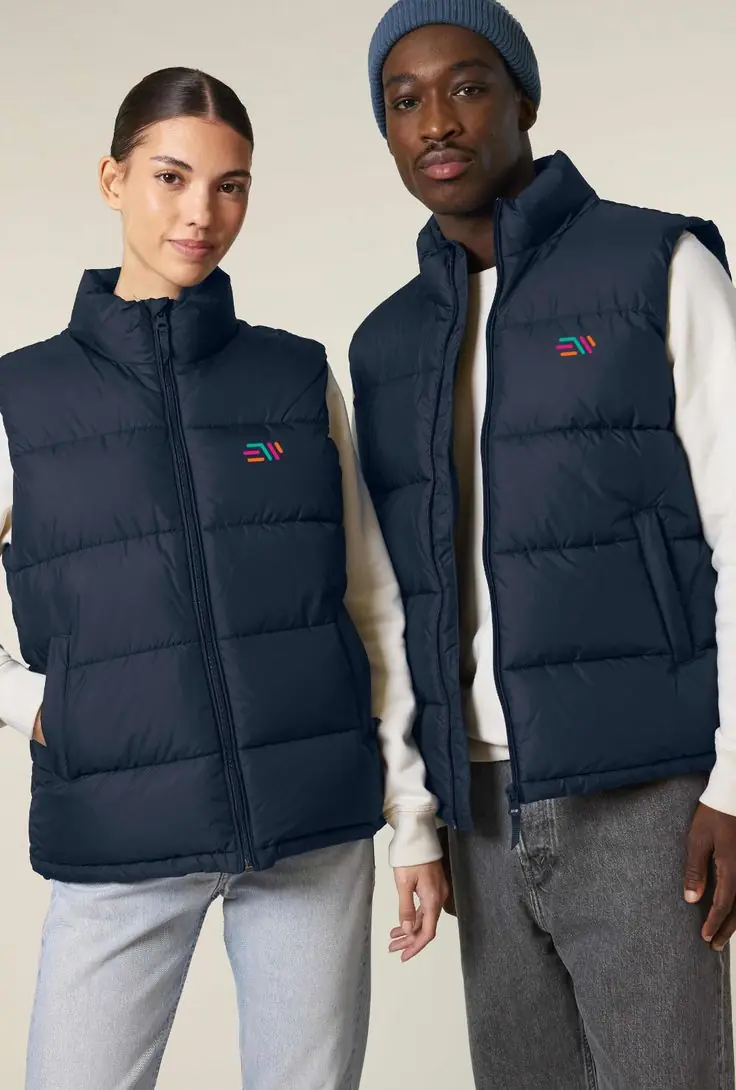
In much of Canada, winter work clothing is not a seasonal accessory. It is part of how crews stay safe and productive. Poorly chosen cold-weather garments can restrict movement, trap sweat, or fail at the seams, and cold stress is a recognised workplace hazard. This guide explains how to think about the system, and what to specify when you source custom winter workwear.
Think in layers
A layered system lets workers adjust as activity and conditions change.
| Layer | Purpose | Typical materials |
|---|---|---|
| Base | Moves moisture away from skin | Synthetic or merino knits |
| Mid / insulation | Traps warm air | Fleece, quilted synthetic fill, down |
| Shell | Blocks wind and wet | Softshell, waterproof-breathable or coated fabrics |
| Extremities | Protect hands, head and feet | Gloves, toques, insulated boots |
Cotton next to the skin holds moisture and can leave workers colder after exertion. Moisture management in the base layer matters as much as the thickness of the jacket.
Choosing insulation
- Synthetic fill continues to insulate when damp and is easier to launder, which suits most workwear.
- Down is light and warm for its weight but loses performance when wet and needs care.
- Fleece is breathable and quick-drying, good as a mid layer or for active tasks.
- Quilted linings in work jackets add warmth with less bulk.
Ask your supplier for the insulation type, weight and construction (for example, quilting pattern that prevents fill from shifting).
Shell fabrics
Shells deal with wind, snow and wet. Options include:
- Softshell: stretchy, breathable, wind-resistant; good for active work.
- Coated or laminated fabrics: waterproof; breathability varies.
- Heavy-duty cotton or poly-cotton canvas: durable and traditional, but heavier and slow to dry.
State your needs: how much water resistance, how breathable, and whether seams must be taped. Water resistance claims should be supported by test data, since "water-repellent" can mean very different things.
Hi-vis in winter
Many winter jobs, such as snow clearing, roadside work and logistics, require high-visibility outerwear. The garment must satisfy both the warmth requirement and the high-visibility specification. Work with your supplier on the colour, tape placement and class in line with our CSA Z96 guide. Check that insulation, collars and hoods do not hide required material when worn.
Flame-resistant environments
In oil and gas, utilities and some industrial settings, outer layers and even insulation may need to be considered as part of an FR system. Meltable synthetic fibres can be hazardous in a fire or arc event. If this applies to you, involve your safety team and follow your site's FR programme. Do not assume that a standard winter jacket is appropriate.
Mobility, fit and details
- Articulated sleeves and gusseted underarms support reaching and lifting.
- Adjustable hoods, cuffs and hems seal out cold.
- Pocket placement that stays accessible with gloves.
- Zips that work with gloves and resist freezing.
- Fit over layers, with a size range that allows for bulk.
- Reflective details for low-light winter days.
Sampling in real conditions
Do not sign off winter garments in a warm office. Ask a few workers to wear samples through a real shift, and gather feedback on warmth, sweating, mobility and pocket access. Wash samples several times following the care label and check insulation shift, seam condition and colour.
Timing and planning
Winter garments are heavier and bulkier, so freight costs and lead times are higher. To have stock before the first snow, start sampling in spring and place the main order during summer. A firm production schedule is set after sample approval, so build buffer into your plan.
Cost levers
- Insulation weight and type
- Shell fabric and any laminate or coating
- Number of pockets and seam taping
- Decoration method and number of positions
- Order quantity per style
Dressource programs start from 50 pieces per style, with MOQs confirmed per project. For winter garments, ask what drives the minimum, since specialist fabrics can have their own.
A specification template for a winter work jacket
Use a table like this in your brief. It forces each decision to be made explicitly.
| Item | Decision to record |
|---|---|
| Use case | Roadside, warehouse, yard, utilities, hospitality, snow clearing |
| Shell fabric | Type, weight, water resistance claim and test method |
| Insulation | Fill type, weight and quilting pattern |
| Lining | Material, and whether it is brushed or smooth for easy donning |
| Seams | Taped, sealed or standard |
| Hood and collar | Fixed, detachable, adjustable, fits over a hard hat or not |
| Cuffs and hem | Elastic, adjustable tab, inner storm cuff |
| Pockets | Number, position, hand-warmer pockets, glove-friendly closures |
| Visibility | Hi-vis colour, class and tape layout if required |
| Fit | Size range, fit over mid layers, length |
| Decoration | Embroidery, print or patch positions |
| Care | Wash temperature, drying instructions |
Care and lifecycle
Insulated garments are an investment, so plan for their life. Check the care label against how the garment will really be laundered. Heavy contamination, frequent industrial washing and tumble drying can all shorten the life of coatings and insulation. For hi-vis winter garments, retroreflective tape and fluorescent fabric are the first elements to degrade, so inspect them regularly and replace the garment when performance is reduced.
Finally, set a replacement policy by role. Workers who spend all day outdoors will wear out outer layers much faster than those who move between indoor and outdoor tasks.
How a sourcing partner reduces the risk
Winter garments need early sampling, so a partner that tracks fabric, insulation and trims can protect your delivery window.. Dressource - Apparel Sourcing in Bangladesh coordinates tech-pack review, sampling, trim sourcing and end-to-end AQL inspection through a transparent supply chain and an ethical, sustainable factory network, so you can see who makes your order. For low MOQ garment production, programs start from 50 pieces per style, with the final MOQ confirmed per project. Corporate buyers can explore custom B2B workwear manufacturing, and teams that also need branded staff apparel can look at custom merch production. Whoever you choose, ask for certificate scope and dated test reports before you commit.
Frequently asked questions
What temperature rating should I ask for?
Be cautious with simple ratings. Comfort depends on activity, layers, wind and the individual. Describe the working conditions to the supplier rather than relying on a single figure.
Is down better than synthetic for work?
Down is excellent for dry cold, but synthetic is often more practical for wet, dirty or heavily washed work garments.
Can you add our logo to winter jackets?
Yes, embroidery and printing options are available, and the best method depends on the fabric. Send your brief for advice.
Same topic, other markets
- Lightweight Workwear for Australian Heat: Fabric Weights, Weaves and Sun Protection
- Mining and Construction Uniforms in Australia: How to Write a Garment Specification That Works
- Uniformes sanitarios y de hostelería: tejidos, lavado industrial y acabados que duran
- How to Choose the Right Uniform Material for High-Moisture Car Wash Operations
- Restaurant & Hospitality Uniform Trends 2027: Balancing Comfort, Durability and Brand
Related guides
- CSA Z96 High-Visibility Safety Apparel: Specifying Garments for Canadian Worksites
- Uniform Programs for Multi-Location Canadian Franchises: Sizing, Rollout and Reorders
- Custom Workwear Manufacturers for Canadian Buyers: How to Evaluate Overseas Suppliers