
Australia · EN
Lightweight Workwear for Australian Heat: Fabric Weights, Weaves and Sun Protection
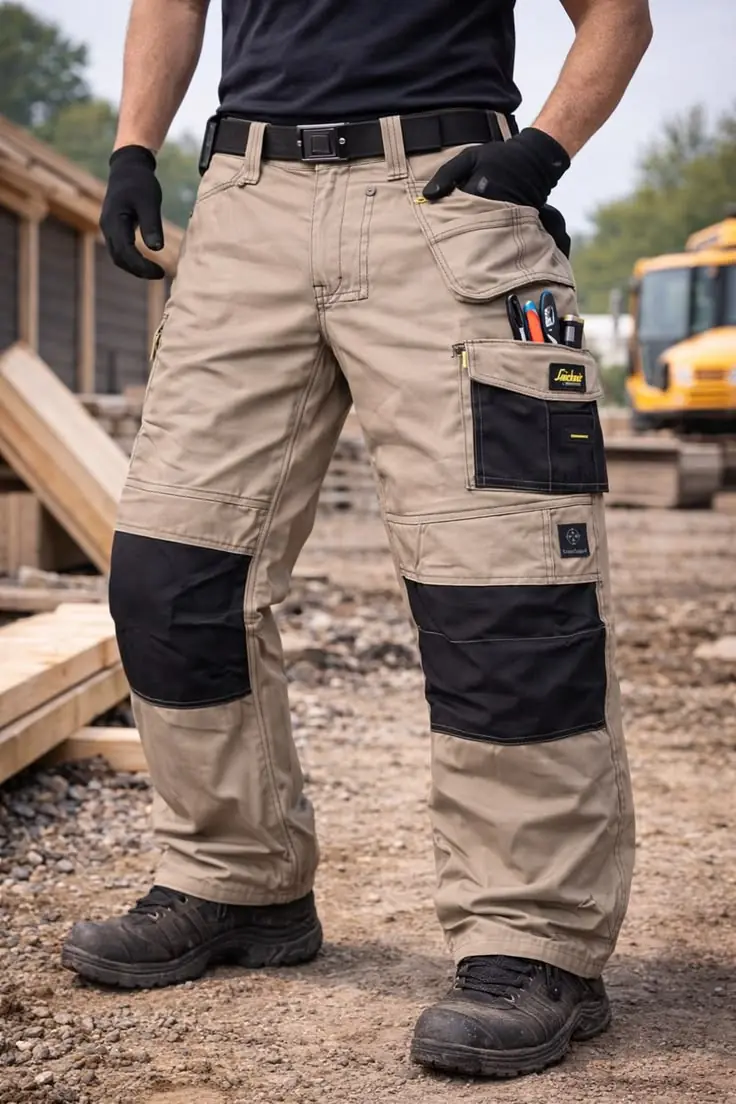
Outdoor work in Australia means heat, intense UV and long shifts. The garment that suits a winter site in Melbourne can be unbearable in Darwin or the Pilbara. The right fabric balances durability, comfort and sun protection, and the trade-offs are worth understanding before you brief a manufacturer.
The four levers of a cooler garment
1. Fibre
- Cotton and cotton-rich blends feel natural and absorb sweat, but dry slowly and can feel heavy when wet.
- Polyester and poly-cotton dry faster and hold shape and colour well, which suits repeated industrial washing.
- Moisture-wicking synthetics move sweat away from the skin; they can feel warmer in still air if the knit is too tight.
2. Weave or knit
Open weaves and mesh knits let air move. Tight twills and drills are tougher but less breathable. A common compromise is a lightweight drill or ripstop with ventilation panels.
3. Weight (gsm)
Weight is measured in grams per square metre. As a rule of thumb, lighter fabrics breathe better and heavier ones wear longer, but there is no single "right" number. Ask suppliers to quote the actual tested weight of the fabric they will use and agree a tolerance.
4. Cut and design
Back vents, underarm gussets, side mesh panels, roll-up sleeves with tab fasteners and a relaxed fit all improve airflow. A trouser with a lighter pocket bag can feel noticeably cooler.
Sun protection: UPF is tested, not guessed
Fabric can block ultraviolet radiation, but how much depends on fibre, weave tightness, colour and finish. In Australia, sun-protective clothing is classified under AS/NZS 4399, which assigns a UPF rating; UPF 50+ is the highest category. Colour and weight alone cannot tell you the rating. A thin dark fabric can outperform a thick pale one, and wash and wear can alter the result.
If sun protection matters to your risk assessment, ask the supplier:
- Is there a UPF test report for this fabric to AS/NZS 4399?
- Was it tested before or after washing and wear?
- Does the finished garment's design (collar, long sleeves, coverage) support the rating?
Cancer Council Australia provides workplace sun-protection guidance, and employers often combine clothing with hats, shade and scheduling in their controls.
Hi-vis in the heat
Hi-vis garments in polyester mesh are common for vests, while long-sleeve hi-vis shirts need a lightweight fabric with retroreflective tape to stay comfortable and compliant. Our hi-vis specification checklist shows what to specify when comfort and compliance both matter.
Durability still matters
Cooler fabrics can compromise abrasion resistance, tear strength and seam strength. Consider asking for:
| Test | What it tells you |
|---|---|
| Abrasion or pilling | How the fabric looks and wears over time |
| Tear and tensile strength | Resistance to snagging and ripping |
| Seam slippage | Whether seams open under load |
| Colourfastness to washing and light | Fade and bleed after repeated use |
| Dimensional change | Shrinkage after laundering |
These are routine laboratory tests. Agree which ones you need and at what pass level, rather than assuming they have been run.
Fabric selection by role
| Role | Suggested direction | Watch for |
|---|---|---|
| Traffic control | Lightweight poly mesh hi-vis, long-sleeve options | Tape durability, colour fade |
| Landscaping and outdoor maintenance | Lightweight cotton-rich or poly-cotton drill with ventilation | Abrasion on knees |
| Construction trades | Mid-weight ripstop or drill, reinforced knees | Heat build-up on dark colours |
| Warehousing and logistics | Moisture-wicking polo or tee with ventilation | Pilling and shade consistency |
Colour choices
Lighter colours reflect more heat but show dirt. Darker colours hide stains but absorb heat. If branding requires a dark colour, consider a lighter weight or moisture-management fabric rather than a heavy cotton.
Sampling for heat
Wear-test your samples in the real environment, with the real PPE worn over them. Ask staff about comfort after a full shift, then wash the sample several times and check shrinkage and colour. Feedback from wearers often reveals issues no specification sheet would.
How Dressource can help
We manufacture workwear to your specification in Bangladesh, from lightweight polos and hi-vis to work trousers, and we can develop garments around your chosen fabric. You can browse the product catalog or send your brief.
A specification template for hot-climate garments
| Item | What to record |
|---|---|
| Garment and role | Long-sleeve shirt, trousers, polo or hi-vis vest, and who wears it |
| Fibre and weave | For example poly-cotton ripstop or polyester mesh |
| Target weight | gsm with a stated tolerance |
| Sun protection | Whether a UPF claim is required, and the test report needed |
| Ventilation | Back vent, underarm panels, side mesh |
| Colour | Reference and lightfastness requirement |
| Laundering | Industrial or domestic, temperature and expected cycles |
| Durability tests | Abrasion, tear, seam slippage, dimensional change |
| Hi-vis | Standard, class and tape layout if applicable |
Common mistakes
- Assuming dark colour equals poor sun protection (or the reverse) instead of asking for a test result.
- Specifying weight alone. Two fabrics of the same gsm can feel very different because of fibre and weave.
- Skipping wear trials in the real climate, with real PPE worn on top.
- Forgetting the wash. Sun protection, shade and shrinkage can change after repeated laundering.
- Choosing a hi-vis fabric without checking that it also suits hot conditions and the required standard.
A short pilot, where a few workers wear the garment for a full shift in peak conditions and then through several washes, will teach you more than any datasheet.
How a sourcing partner reduces the risk
Fabric choices only perform if the factory is given a tested gsm target, a reference swatch and a clear wash standard.. Dressource - Apparel Sourcing in Bangladesh coordinates tech-pack review, sampling, trim sourcing and end-to-end AQL inspection through a transparent supply chain and an ethical, sustainable factory network, so you can see who makes your order. For low MOQ garment production, programs start from 50 pieces per style, with the final MOQ confirmed per project. Corporate buyers can explore custom B2B workwear manufacturing, and teams that also need branded staff apparel can look at custom merch production. Whoever you choose, ask for certificate scope and dated test reports before you commit.
Frequently asked questions
Is thinner fabric always cooler?
Not always. Fibre, weave and finish matter. Some lightweight fabrics trap moisture and feel hotter than a slightly heavier, better-ventilated one.
Do dark colours have lower UPF?
Often darker colours absorb more UV, but UPF depends on the whole fabric construction. Rely on test results.
Can workwear carry a UPF 50+ claim?
Only if the fabric or garment has been tested and classified appropriately. Ask for the test report.
Same topic, other markets
- Cold-Weather Workwear for Canadian Winters: Insulation, Layering and Fabric Choices
- Mining and Construction Uniforms in Australia: How to Write a Garment Specification That Works
- Uniformes sanitarios y de hostelería: tejidos, lavado industrial y acabados que duran
- How to Choose the Right Uniform Material for High-Moisture Car Wash Operations
- Restaurant & Hospitality Uniform Trends 2027: Balancing Comfort, Durability and Brand
Related guides
- Hi-Vis Clothing in Australia: An AS/NZS 4602.1 Specification Checklist for Buyers
- Mining and Construction Uniforms in Australia: How to Write a Garment Specification That Works
- How to Choose a Custom Workwear Manufacturer for Australia: A Buyer's Evaluation Guide