
Canada · EN
Uniform Programs for Multi-Location Canadian Franchises: Sizing, Rollout and Reorders
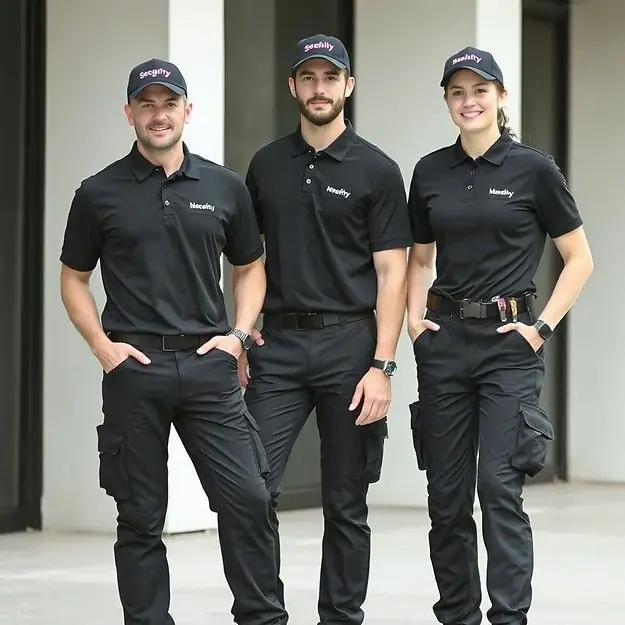
A uniform programme for one site is a purchasing task. For twenty sites across several provinces, it is an operating system. Franchisors and multi-site employers need garments that look the same in Halifax and Vancouver, stock that arrives before the opening date, and a way to reorder without changing the shade. This guide outlines how to build that.
Lock the specification
Create a single master specification for every uniform item:
- style code and name;
- fabric composition, weight and colour reference;
- size chart and measurements;
- logo artwork, position and decoration method;
- label content and placement;
- packaging and carton marking.
Keep the approved sample as the physical reference. When you reorder, send the same specification and require confirmation of fabric lot and shade before cutting.
Segment wearers by role and region
Different roles need different garments, and Canadian regions need different weights. A coastal location may need light rain shells, while prairie locations need insulated outerwear. Define a core range for all sites and seasonal add-ons.
| Segment | Example items | Reorder pattern |
|---|---|---|
| Front-of-house | Polos, shirts, aprons | Frequent, small |
| Back-of-house or field | Work pants, jackets, coveralls | Moderate |
| Management | Shirts, vests | Occasional |
| Seasonal | Insulated vests, jackets, toques | Annual |
Build the size curve
Gather sizing data from a sample of current staff, or use previous orders. Separate men's and women's fits where possible and include a plus-size range. Create a size curve and apply it to each style. Add a buffer in popular sizes, and agree how to respond to turnover and growth.
Choose a rollout model
| Model | How it works | Trade-off |
|---|---|---|
| Central warehouse | One location stores stock and ships to sites | Control and consistency; needs a team and space |
| Direct to site | Orders ship straight to each location | Simple; less visibility and higher shipping cost |
| Regional hubs | Stock held in a few regions | Balance of speed and control |
For many franchises, a central or regional hub with a scheduled replenishment cycle works best.
Plan onboarding and opening dates
New locations need stock on time. Build a standard starter kit per role and size distribution based on the opening team size, with a buffer. Because overseas production includes sampling, manufacturing, inspection and freight, start early and keep stock of the most common sizes in-country.
Bilingual and provincial considerations
If you operate in Quebec or sell to the public in both official languages, labels and marketing materials may need to be bilingual or in French. Check the requirements of the provincial language authority and brief your supplier before the labels are produced.
Reorder planning
Reorders are where programmes drift. To keep consistency:
- Record the fabric lot, shade reference and decoration file for every order.
- Ask your manufacturer to match against the approved sample or the previous bulk.
- Set reorder triggers based on minimum stock per size.
- Schedule reorders around freight lead time and seasonal peaks.
- Review garments after wear and wash cycles, and adjust the specification if needed.
MOQ and flexibility
Franchise programmes can struggle with minimums on low-volume sizes or colours. Dressource programs start from 50 pieces per style, styles can be mixed within an order, and the final MOQ is confirmed per project. Ask how to combine sizes, colours and styles efficiently.
Quality control
Use the same quality checks for every order: AQL-based final inspection, shade approval against the reference, and checks of label and decoration placement. Keep inspection reports with your order records.
Costing the programme
Calculate cost per wearer per year, not only the price per garment. Include replacement rate, decoration, freight, duties and storage. Durable fabrics and well-made trims often reduce long-term cost.
An illustrative rollout calculation
The numbers below are an example to show the method, not data from a real programme. Suppose a franchisor has 12 locations and 150 front-line staff, with an issue policy of two polos, one apron and one jacket per person.
| Item | Policy | Base quantity | Buffer (turnover and growth) | Order quantity |
|---|---|---|---|---|
| Polo | 2 per person | 300 | about 10% | 330 |
| Apron | 1 per person | 150 | about 10% | 165 |
| Insulated jacket | 1 per person | 150 | about 10% | 165 |
Each total is then split across sizes using the size curve. A 10% buffer is a planning assumption: use your own turnover figures. For styles that are mixed in one order, remember that the factory's minimum applies per style, so check that every style clears it.
Governance checklist for multi-site programmes
- One owner. Name a person who approves specification changes, so sites cannot quietly substitute garments.
- One master file. Keep the specification, approved shade reference, artwork files and last order's inspection report together.
- Reorder calendar. Agree two or three fixed reorder windows per year, plus an emergency route for urgent top-ups.
- Receiving log. Record quantity, sizes and defects on arrival at the hub or sites.
- Feedback loop. Collect wearer feedback each quarter on fit, durability and comfort, and update the specification once a year rather than ad hoc.
- Language and labels. Review labels whenever you open in a new province or change the fibre composition.
These routines are inexpensive and prevent most drift. They also give a manufacturer the repeatable inputs needed to match last season's shade and fit.
How a sourcing partner reduces the risk
Reorders that match the first order depend on stored specifications, shade references and fabric lot control.. Dressource - Apparel Sourcing in Bangladesh coordinates tech-pack review, sampling, trim sourcing and end-to-end AQL inspection through a transparent supply chain and an ethical, sustainable factory network, so you can see who makes your order. For low MOQ garment production, programs start from 50 pieces per style, with the final MOQ confirmed per project. Corporate buyers can explore custom B2B workwear manufacturing, and teams that also need branded staff apparel can look at custom merch production. Whoever you choose, ask for certificate scope and dated test reports before you commit.
Frequently asked questions
How do I keep colours consistent over time?
Use a master shade reference, require fabric lot control, and inspect against the approved sample or previous bulk.
Can Dressource ship to a central warehouse?
We export to Canada by air or sea with FOB, CIF or DDP terms set in the quote, and can mark cartons for warehouse receiving.
How do I start?
Send us your garment list and site count, and we will discuss samples and quantities.
Same topic, other markets
- Ropa laboral al por mayor: pedido mínimo, plazos y costes para empresas en España
- Wholesale Work Uniforms in Australia: A Bulk Ordering Guide for Fleets, Facilities and Franchises
- Custom Workwear MOQ, Lead Time and Pricing: How to Order Uniforms in Bulk from Bangladesh
Related guides
- Private-Label Uniform Programs in Canada: OEM vs ODM, Tech Packs and Sampling
- Cold-Weather Workwear for Canadian Winters: Insulation, Layering and Fabric Choices
- Custom Workwear Manufacturers for Canadian Buyers: How to Evaluate Overseas Suppliers