
Canada · EN
Importing Workwear from Bangladesh to Canada: CBSA, Textile Labelling and Forced-Labour Reporting
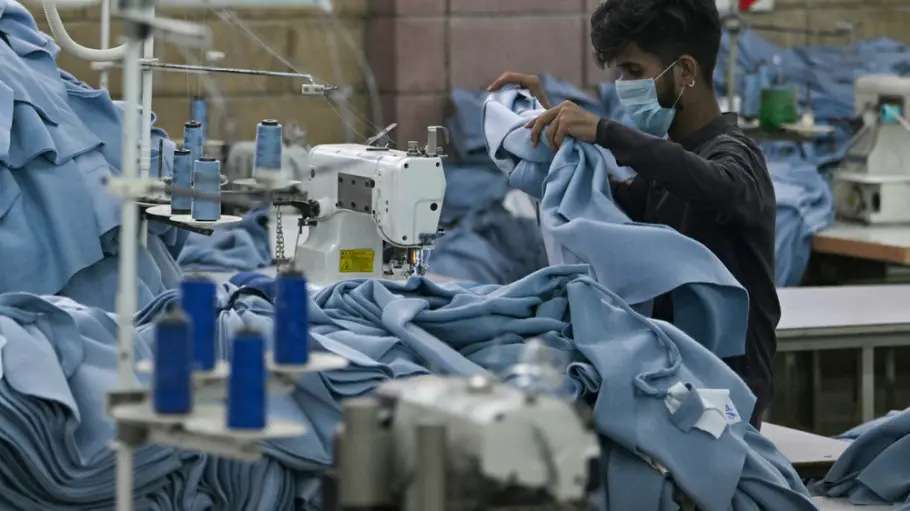
Canadian businesses import garments from Bangladesh in large volumes, and the process is well established. If you are new to it, this guide outlines the main steps. It is general information, not legal, customs or tax advice. Duty rates, tariff preferences, reporting thresholds and labelling rules change, so confirm details with a licensed customs broker, the Canada Border Services Agency (CBSA) and your own advisers.
1. Pick an Incoterm
| Term | What you handle | Typical user |
|---|---|---|
| FOB | Ocean or air freight, insurance, import clearance, duty and taxes, inland delivery | Importers with a forwarder |
| CIF | Import clearance, duty and taxes, local charges | Importers wanting simpler freight |
| DDP | Receiving the goods; verify tax treatment | First-time or low-volume importers |
Dressource Workwear exports from Dhaka by air or sea with FOB, CIF or DDP terms set in the quote.
2. Duties, origin and tariff preference
Customs duty depends on the classification of the garment, its origin and the tariff treatment applied. Canada has provided preferential tariff treatment for goods from least developed countries, subject to conditions including rules of origin. Bangladesh has been scheduled to graduate from the UN's LDC category in late November 2026, and countries differ in how they handle the transition. Do not rely on past rates: ask your broker to confirm the treatment that will apply when your goods arrive and what proof of origin is needed.
Also budget for GST/HST, which is collected on imports, with rates that vary by province.
3. Documents
Prepare:
- commercial invoice with detailed descriptions and values;
- packing list by carton, style, colour and size;
- bill of lading or air waybill;
- proof of origin where claiming preference;
- insurance and any contractual test reports.
Accurate descriptions and consistent documents help avoid delays. Your supplier should prepare these as part of the shipment.
4. Labelling
The Textile Labelling Act and its regulations apply to textile articles sold to consumers and require fibre content and dealer identification, among other things. Canadian labels are normally bilingual. Care labelling is generally voluntary under federal rules but common in the market. For garments purchased by businesses for employees, applicability depends on how they are sold, so confirm with the Competition Bureau or an adviser before artwork is final. If you sell in Quebec, check provincial language rules with the Office québécois de la langue française.
5. Forced-labour and supply-chain reporting
Canada's Fighting Against Forced Labour and Child Labour in Supply Chains Act requires certain entities to publish an annual report on the steps taken to prevent and reduce the risk of forced labour and child labour in their supply chains. The duty applies to entities that meet size thresholds and that produce, sell, distribute or import goods in or into Canada, among other conditions. Separately, Canada prohibits importing goods made with forced labour.
Even if you are below the thresholds, your customers may ask questions. Practical steps:
- Ask suppliers to identify the factories involved in your order.
- Collect and review certificates and audit reports, checking scope and dates.
- Record your due-diligence process and supplier communications.
- Escalate if documentation is missing.
Dressource shares certificate scope on request. Review the documents against your own policy.
6. Freight and timing
Ocean freight from Bangladesh takes several weeks port to port, plus consolidation, clearance and inland transport. Air is faster and costlier. If you buy winter outerwear, work backward from the date you need stock in your warehouse, including sample approval, production, inspection and freight.
7. Receiving and claims
On arrival, check cartons against the packing list, inspect a sample, wash-test and photograph issues. Raise claims promptly in line with the agreed terms.
A landed-cost checklist
Ask your broker and your supplier to fill in each line for your specific product, and compare quotes on the same basis.
| Cost line | Who usually provides the figure | Notes |
|---|---|---|
| Ex-factory unit price | Supplier | Confirm the fabric and specification it is based on |
| Decoration, labels, packaging | Supplier | Bilingual labels may add cost |
| Origin freight and export handling | Supplier or forwarder | Depends on the Incoterm |
| Ocean or air freight and insurance | Forwarder | Quote per container, pallet or kilogram |
| Customs duty | Broker | Depends on classification, origin and tariff treatment |
| GST/HST | Broker | Provincial rates differ; check recoverability for your business |
| Brokerage, port and terminal fees | Broker | Often forgotten in early estimates |
| Inland delivery | Carrier | Include warehouse receiving costs |
Common mistakes
- Comparing a DDP price with an FOB price as if they covered the same things.
- Assuming a preferential tariff rate without confirming the proof of origin the supplier can provide.
- Leaving labels until late, then discovering the finished garments need re-labelling.
- Ignoring seasonality. Winter garments shipped late miss the selling or wearing season.
- Not agreeing a defect procedure before production starts, including the inspection standard and claim window.
- Treating supply-chain documentation as an afterthought, when customers or your own reporting may require it.
How a sourcing partner reduces the risk
Supply-chain reporting is far easier when your supplier can name the factories and share certificate scope from day one.. Dressource - Apparel Sourcing in Bangladesh coordinates tech-pack review, sampling, trim sourcing and end-to-end AQL inspection through a transparent supply chain and an ethical, sustainable factory network, so you can see who makes your order. For low MOQ garment production, programs start from 50 pieces per style, with the final MOQ confirmed per project. Corporate buyers can explore custom B2B workwear manufacturing, and teams that also need branded staff apparel can look at custom merch production. Whoever you choose, ask for certificate scope and dated test reports before you commit.
Frequently asked questions
Do I need a customs broker?
Most importers do, at least initially. Brokers classify goods, calculate duty and taxes and submit declarations.
Does Bangladesh's graduation from LDC status change Canadian duty?
It could, depending on the tariff treatment and any transition period. Confirm with your broker or the CBSA.
Which labelling rules apply to my uniforms?
It depends on the product and how it is sold. Seek advice before finalising labels.
Can Dressource help with documentation?
Yes. Tell us what you need and we will discuss shipping terms and documents.
Same topic, other markets
- Importar ropa laboral desde Bangladesh a España: aranceles, IVA, etiquetado y trazabilidad
- Importing Workwear from Bangladesh to Australia: Duties, Labelling and Modern Slavery Reporting
- Ropa laboral sostenible: certificaciones, trazabilidad y qué pedir al proveedor
- Workwear Manufacturer in Bangladesh: 2027 Buyer’s Guide for USA, UK, Canada & Australia
Related guides
- Custom Workwear Manufacturers for Canadian Buyers: How to Evaluate Overseas Suppliers
- Private-Label Uniform Programs in Canada: OEM vs ODM, Tech Packs and Sampling
- Uniform Programs for Multi-Location Canadian Franchises: Sizing, Rollout and Reorders