 Dressource Workwear
High-Visibility Workwear Standards Explained: ANSI/ISEA 107, CSA Z96, EN ISO 20471 & AS/NZS 4602.1
By Dressource Workwear · Updated 2026-10-29
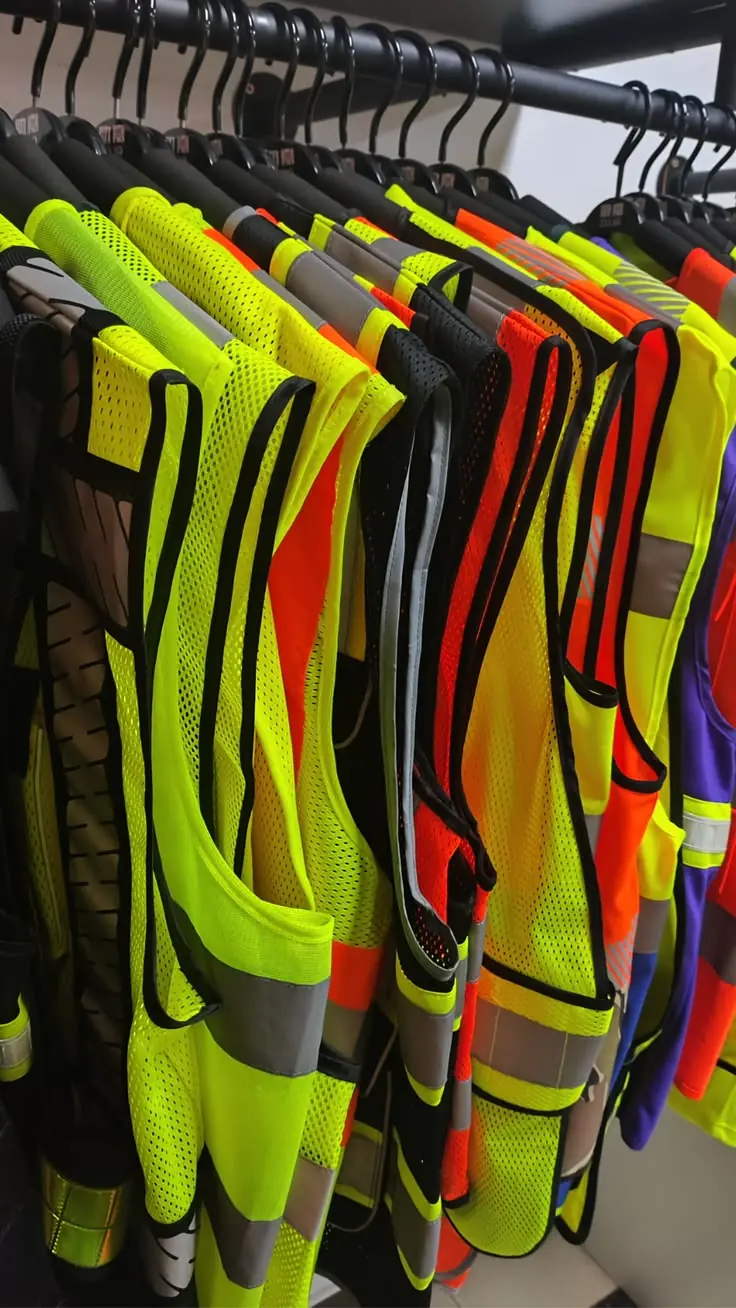
What a hi-vis standard controls
These standards set the minimum area of fluorescent background material, the placement and performance of retroreflective tape, and colour requirements. They are written for a garment as a whole, not for fabric alone.
USA and Canada
North American buyers commonly specify ANSI/ISEA 107 in the USA and CSA Z96 in Canada. Class and type depend on traffic speed, work environment and job role, so confirm requirements with your safety officer.
UK and Europe
In the UK and EU, EN ISO 20471 is the usual reference, with classes based on the amount of visible material.
Australia and New Zealand
AS/NZS 4602.1 is the reference for hi-vis garments, with day-only and day/night variants.
How we work with these standards
We produce to your specification and target standard. Fabric certificates and independent garment testing are agreed per project and are not assumed.
Summary table
| Region | Common reference | Typical buyers |
|---|---|---|
| USA | ANSI/ISEA 107 | Construction, utilities, roadwork |
| Canada | CSA Z96 | Construction, oil and gas, municipal |
| UK / EU | EN ISO 20471 | Rail, highways, logistics |
| Australia / NZ | AS/NZS 4602.1 | Mining, civil, transport |
Frequently asked questions
Can you make hi-vis vests to ANSI/ISEA 107?
We can produce to your specification and target standard; testing and certification scope are confirmed per order.
Do hi-vis requirements differ between countries?
Yes. Each region references a different standard, so specify the market before sampling.
Related: Workwear Manufacturer in Bangladesh: 2026 Buyer’s Guide for USA, UK, Canada & Australia · How to Choose the Right Uniform Material for High-Moisture Car Wash Operations · Restaurant & Hospitality Uniform Trends 2026: Balancing Comfort, Durability and Brand · Custom Workwear MOQ, Lead Time and Pricing: How to Order Uniforms in Bulk from Bangladesh